
 21st April 2026
Fire safety in commercial buildings is no longer a box-ticking exercise. With increasing regulatory scrutiny, complex building designs and multiple trades working simultaneously, the risks associated with fire protection are often underestimated until problems arise.
For contractors, developers and building owners, the challenge is not simply installing fire protection systems — it is ensuring those systems perform exactly as intended when it matters most.
At TBL Fire Protection, this is where experience and a structured approach make the difference — helping project teams avoid common pitfalls and achieve compliant, certifiable outcomes.
Understanding the most common fire safety risks is the first step in avoiding costly issues, programme delays and compliance failures.
1. Incomplete or Compromised Compartmentation
Compartmentation is fundamental to passive fire protection. It is designed to contain fire and smoke within defined areas, limiting spread and allowing safe evacuation.
However, in many commercial projects, compartmentation is compromised due to:
- Poorly sealed service penetrations
- Incorrect fire stopping systems
- Gaps created during late-stage installations
- Lack of coordination between trades
Even small breaches can significantly reduce the effectiveness of fire-resisting walls and floors.
How to mitigate it
Effective compartmentation starts with planning and coordination.
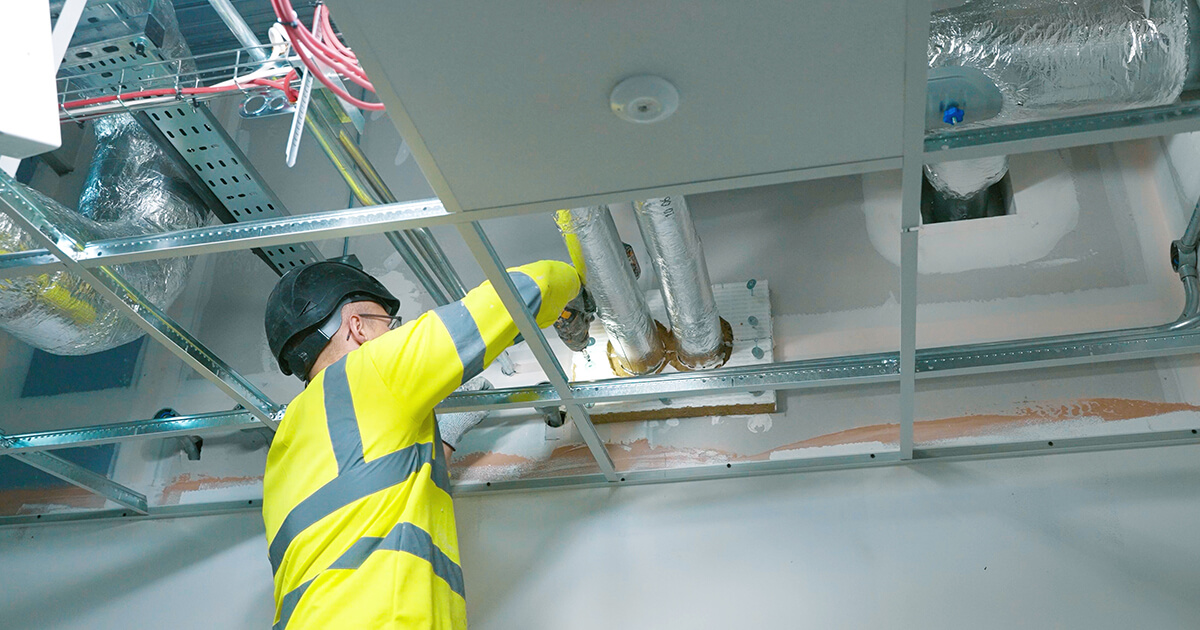
TBL Fire Protection supports this through fire stopping and compartmentation installations, ensuring that all penetrations, joints and interfaces are sealed using tested, system-specific solutions.
By assessing factors such as service type, annular space and required fire rating, TBL ensures that each installation maintains the integrity of the compartment line.
2. Poorly Installed Fire Stopping Systems
Fire stopping is one of the most common areas where compliance issues arise. Installations are often completed under time pressure, with insufficient understanding of system requirements.
Typical risks include:
- Incorrect materials used for specific penetrations
- Failure to account for service type, size or movement
- Lack of adherence to manufacturer-tested details
- Inconsistent installation standards across site
How to mitigate it
Fire stopping should always be installed using tested and certified systems by experienced operatives.
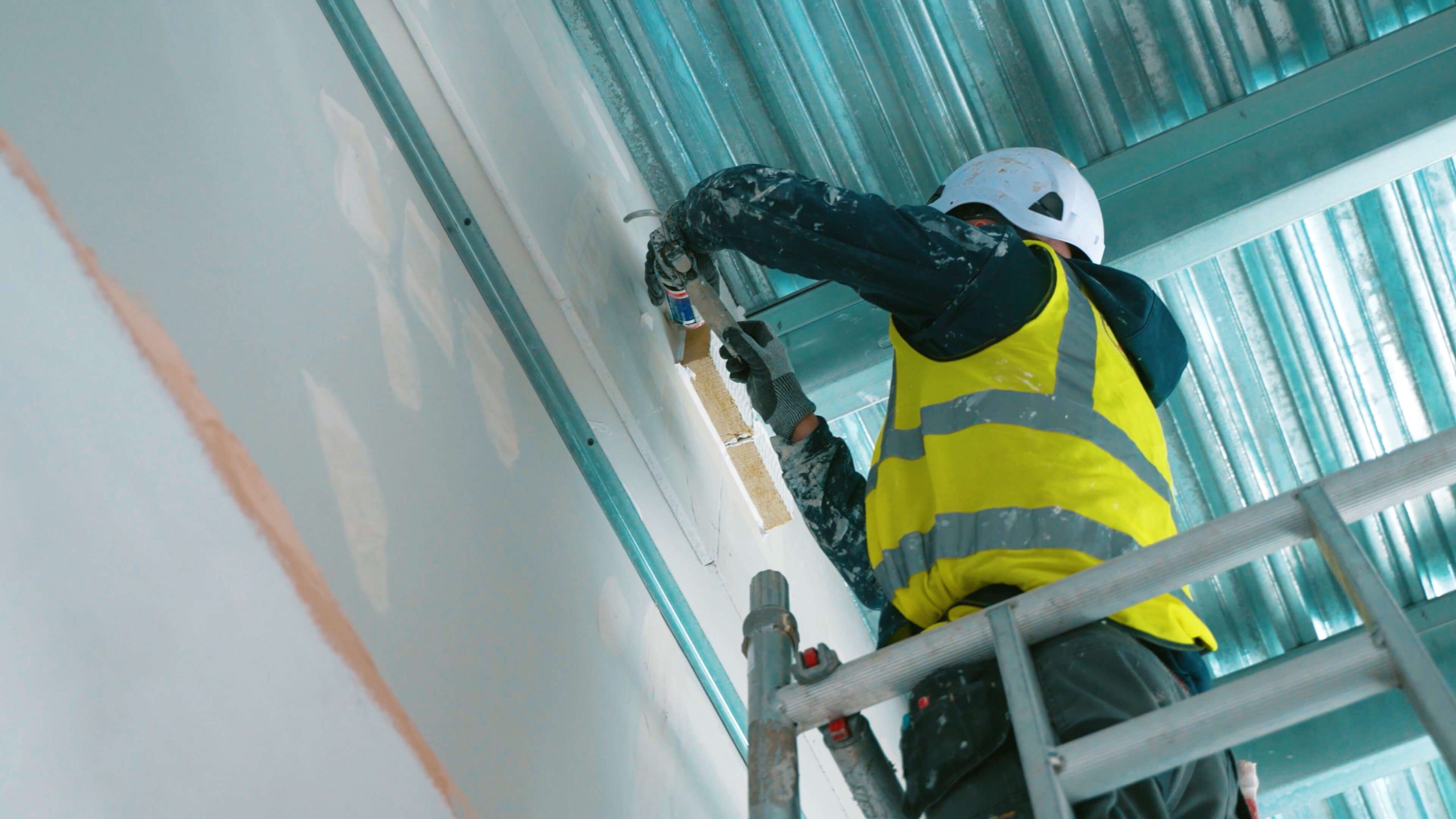
TBL Fire Protection installs fire stopping systems in line with manufacturer-tested details and current legislation, ensuring each installation is suitable for the specific service configuration.
Through structured inspections and quality checks, TBL ensures consistency across site and reduces the risk of non-compliant installations.
3. Lack of Early Coordination Between Trades
One of the biggest risks in commercial construction is the lack of coordination between trades working within the same areas.
Mechanical, electrical and plumbing services are often installed without full consideration of fire protection requirements, resulting in:
- Overcrowded service penetrations
- Difficult or inaccessible areas for fire stopping
- Late-stage design changes
- Increased likelihood of non-compliant installations
How to mitigate it
Early engagement is key.
TBL Fire Protection works with project teams at early stages to review fire strategy requirements and service layouts, helping to identify potential coordination risks before installation begins.
This ensures that fire stopping systems can be installed correctly, without compromise, and reduces the likelihood of rework later in the programme.
4. Inadequate Inspection and Quality Control
Even where systems are correctly specified and installed, a lack of inspection can result in undetected issues.
Common problems include:
- Missing or incomplete fire stopping
- Poor workmanship
- Incorrect installation methods
- Lack of supporting documentation
Without a clear inspection process, these issues often only come to light during final checks or audits — when they are more difficult and costly to resolve.
How to mitigate it
A structured quality assurance process is essential.
TBL Fire Protection operates a comprehensive inspection and reporting process, including:
- Ongoing site inspections
- System-specific compliance checks
- Photographic evidence capture
- Clear labelling and documentation
This ensures installations are not only completed — but verified and auditable.
5. Insufficient Documentation and Traceability
In today’s regulatory environment, it is not enough for fire protection systems to be installed correctly — they must also be fully documented and traceable.
A lack of documentation can lead to:
- Delays in project sign-off
- Difficulty demonstrating compliance
- Increased risk during audits
- Challenges in ongoing building management
How to mitigate it
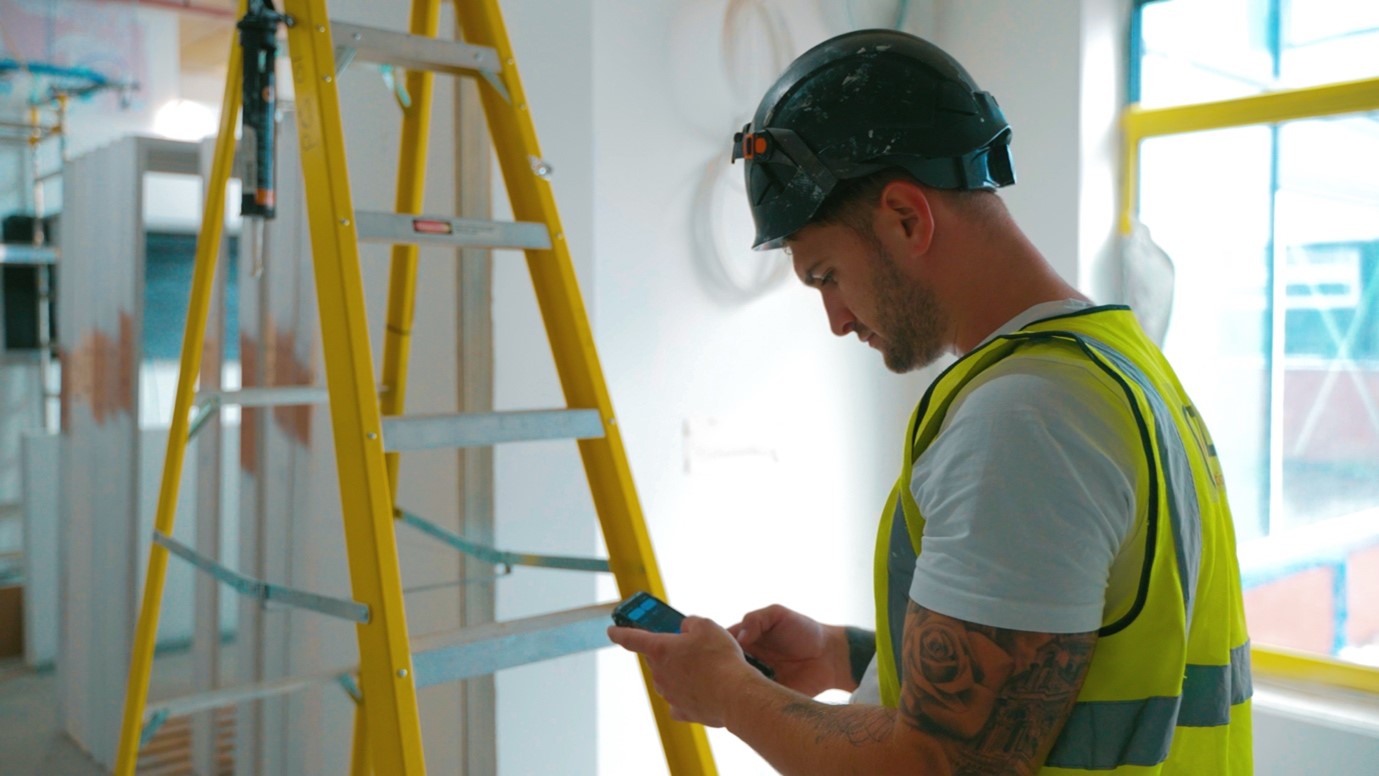
TBL Fire Protection uses digital reporting tools such as OneTrace to record installations, capture photographic evidence and provide full documentation upon completion.
This ensures that all works are traceable, accessible and aligned with certification requirements, supporting both project handover and future asset management.
6. Reactive Approach to Fire Protection
Perhaps the most significant risk is treating passive fire protection as a reactive element of the project.
When fire protection is addressed late in the programme, it often leads to:
- Rushed installations
- Compromised quality
- Increased costs
- Programme delays
How to mitigate it
TBL Fire Protection promotes a proactive approach through early technical engagement and collaboration with project teams.
By reviewing fire strategies, advising on system selection and supporting coordination across trades, TBL helps ensure fire protection is planned and implemented correctly from the outset.
This reduces disruption, protects programme timelines and ensures compliance is achieved without compromise.

Supporting Safer Outcomes
Fire safety risks in commercial buildings are rarely caused by a single issue. More often, they are the result of multiple small failures across coordination, installation and verification.
Mitigating these risks requires a structured, informed approach — one that considers fire protection as an integral part of the construction process.
Through its combination of fire stopping, intumescent coatings, cavity barriers, surveys and compliance reporting, TBL Fire Protection supports clients across the full scope of passive fire protection requirements.
The result is not just compliant installations — but fire protection systems that perform as intended and stand up to scrutiny.

 02476 404534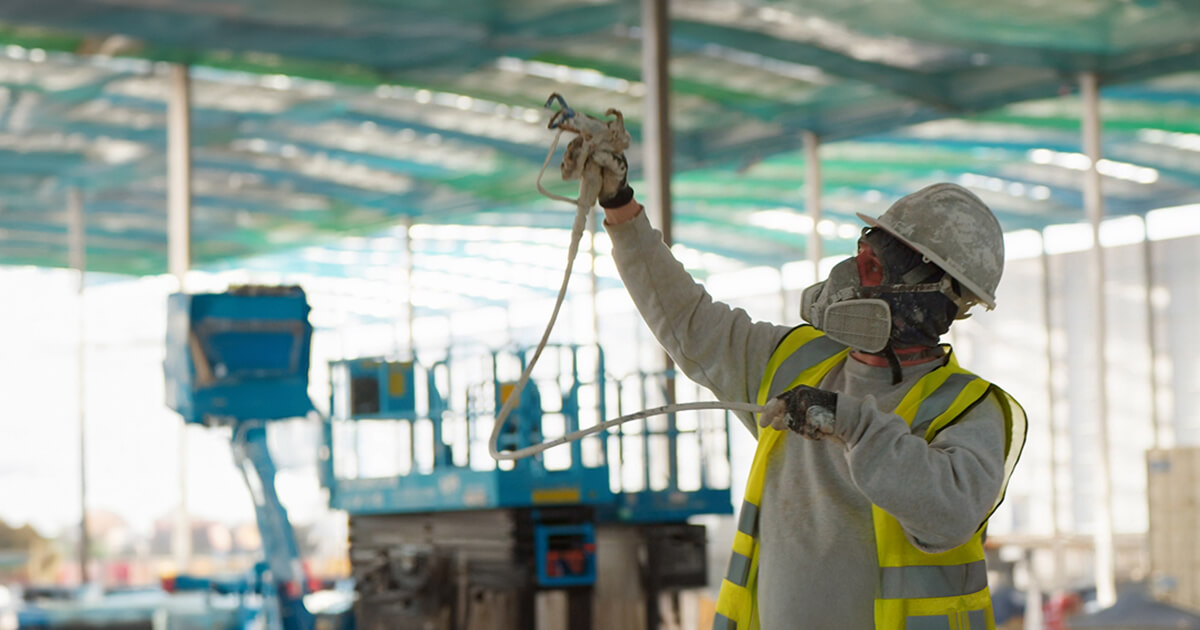
 WhatsApp


