
 17th April 2026
Steel frame buildings are often chosen because they offer strength, efficiency and design flexibility. However, in fire conditions, steel can lose stability far more quickly than many people expect unless it is properly protected. That is why passive fire protection plays such an important role. It helps insulate the steel, slows the effects of heat and supports the building’s structural stability when a fire occurs.
This is also why fire protection cannot be treated as something that only matters at handover. For steel frame buildings, protection needs to remain effective over time, even as the building ages, changes or undergoes further work. Regular inspection and re-certification help confirm that the system is still performing as it should and that the structure continues to have the protection it depends on when it matters most.
Why Steel Frame Buildings Need Regular Fire Protection Re-Certification
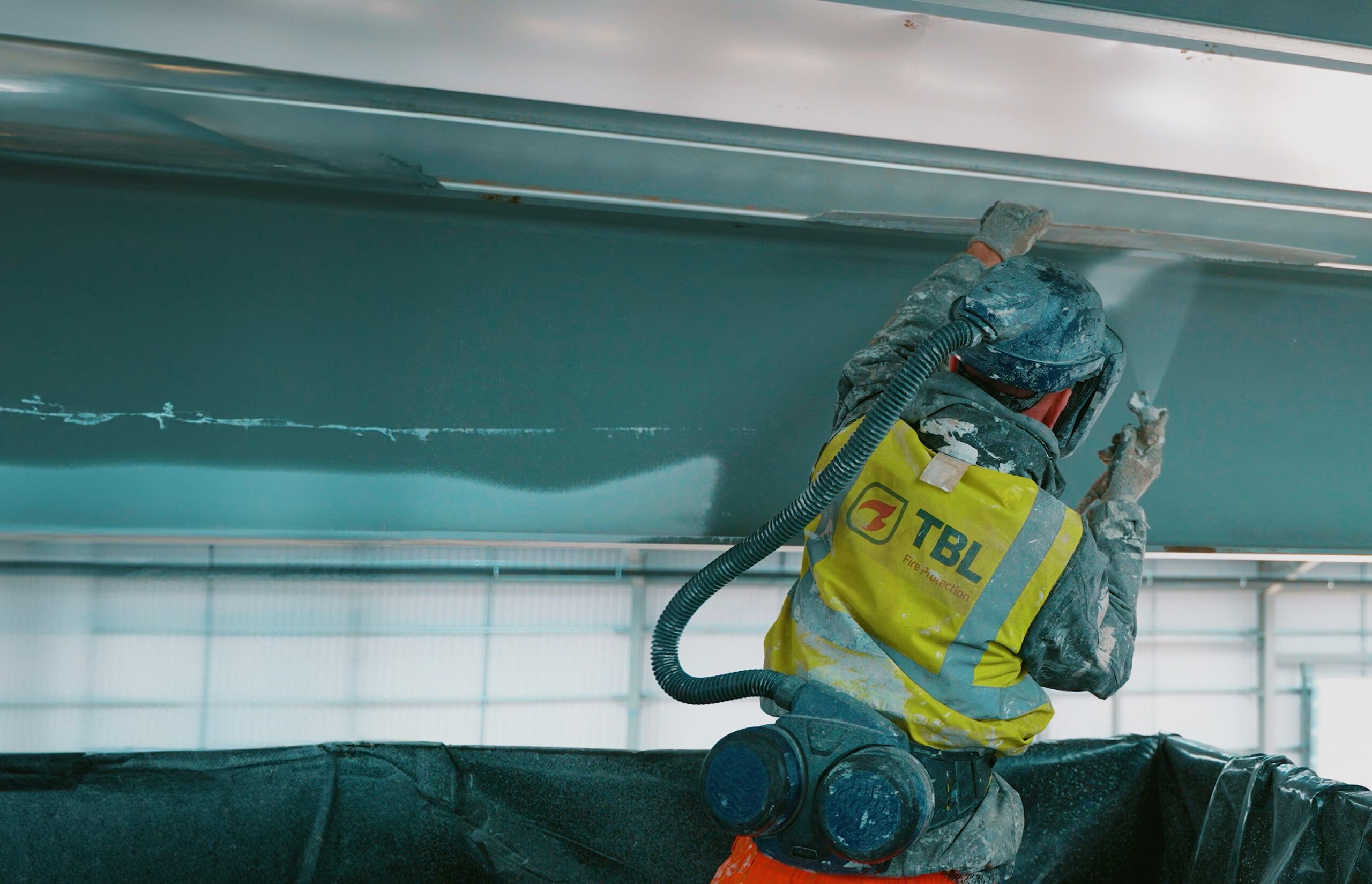
Steel does not burn, but it loses strength quickly at high temperatures. In a serious fire, that loss of strength can put the building’s stability at risk well before evacuation or firefighting is complete. That is why structural steel fire protection is essential in steel-framed buildings.
One of the most common systems used is intumescent paint. When exposed to heat, it expands and forms an insulating layer around the steel. This slows down the rate at which the steel heats up and helps the structure stay stable for longer.
That protection only works if it remains intact and correctly applied. Damage, wear or uneven coverage can significantly reduce performance. This is why fire protection cannot be treated as a one-time installation. It needs regular inspection and recertification to ensure it continues to perform as intended.
What Can Go Wrong Over Time
Passive systems are often overlooked because they are not visible in day-to-day use. Yet they are subject to the same changes and pressures as the rest of the building. A professional passive fire protection survey will often identify issues such as:
- Damage to coatings: Intumescent layers can chip, crack or wear away, particularly in exposed or high-traffic areas.
- Building modifications: Retrofitted services, structural adjustments or new penetrations can interrupt protected surfaces without proper reinstatement.
- Wear and repeated contact: In warehouses, plant rooms and commercial environments, structural elements are frequently knocked or abraded over time.
- Environmental exposure: Moisture, temperature variation and contaminants can affect adhesion and long-term durability.
- Inconsistent application: Variations in thickness or missed areas from initial installation may only become clear through detailed intumescent coating inspection.
These issues rarely present themselves clearly. A surface may appear intact yet fail to meet the required specification. The absence of proper assessment can create a false sense of security.
Why Re-Certification Matters
Fire protection is defined by what is actively performing. Regular intumescent paint inspection and re-certification ensure that systems continue to meet the required fire ratings and regulatory standards. This process verifies:
- Coating thickness across all structural elements
- Consistency of application and coverage
- Any areas of damage or exposure
- The impact of changes to building layout or use
Without ongoing fire protection certification, compliance can be assumed rather than verified. This creates unnecessary operational and legal risk for those responsible for the building.
Regulatory Compliance and Fire Safety Responsibilities
Fire safety regulations place clear and ongoing responsibilities on those who design, build and manage steel-framed buildings. Passive fire protection must not only be installed correctly, but also maintained throughout the building’s lifecycle.
For main contractors, this includes ensuring that fire protection systems are installed, documented and handed over in accordance with specifications. For facilities managers, it means maintaining systems and arranging inspections following any alterations or visible damage. For property owners and developers, it is an ongoing duty to ensure that fire safety measures remain effective and compliant.
Failure to maintain fire protection in steel structures can result in:
- Non-compliance with building regulations
- Increased liability in the event of fire
- Insurance complications or invalidation
- Risk to occupants, assets and business continuity
Regular assessment supported by fire protection surveys provides a clear and structured way to meet these obligations.
How Professional Fire Protection Surveys Help
A structured passive fire protection survey provides clarity that visual checks alone cannot. Rather than relying on assumptions, professional assessments examine coating thickness, verify adherence to specification and ensure consistent coverage across all structural elements. They also identify signs of wear, damage, environmental impact and any areas affected by building modifications.
These findings form the basis for reliable fire protection certification. They ensure that compliance is both documented and verifiable. At the same time, early identification of minor defects allows for targeted repairs before they escalate. In this way, well-planned passive fire protection services support safety, compliance and long-term cost control.
A Measured Approach to Long-Term Fire Safety
Fire protection is a critical layer that determines how a structure performs under extreme conditions. Its effectiveness cannot be assumed over time. Regular inspection, including detailed intumescent paint inspection, ensures that fire protection continues to align with how the building is used today, not just how it was originally designed.
For contractors and property professionals, this is ultimately about certainty. A consistent approach to passive fire protection services ensures that risks are identified early, compliance is maintained and structural performance remains dependable.
TBL Fire Protection supports this process through specialist inspections, detailed reporting and practical compliance guidance. With the right expertise in place, fire protection becomes something you can verify with confidence, and not just something left to assumption. Speak to our team to discuss your project requirements.

 02476 404534
 WhatsApp


