
 18th June 2026
When a fire breaks out, every second matters.
Most people assume that fire alarms, sprinklers, and the emergency services are the primary defences against a fire. While these systems play a critical role, there is another layer of protection working silently in the background long before the fire service arrives on site.
This is where fire stopping becomes essential.
Effective fire stopping can help contain a fire, protect escape routes, reduce damage to a building, and provide valuable time for occupants to evacuate safely. In many cases, the difference between a contained incident and a devastating fire can come down to whether the building’s passive fire protection systems were properly installed and maintained.
In this article, we’ll explain how fire stopping works, why it matters, and how fire stopping companies help protect buildings across the Midlands and throughout the UK.
What Is Fire Stopping?
Fire stopping is a key element of passive fire protection.
Modern buildings contain numerous services that pass through fire-resistant walls and floors, including:
- Electrical cables
- Data cabling
- Pipework
- Ventilation systems
- Ductwork
- Mechanical services
Whenever these services pass through a fire compartment, they create openings within the building structure.
Without appropriate protection, these openings can become pathways that allow fire, smoke, and toxic gases to spread rapidly between different areas of a building.
Fire stopping installation involves sealing these penetrations using tested and certified fire-resistant materials designed to restore the fire rating of the wall or floor.
The result is a building that is better equipped to contain a fire and slow its spread.
Why the First Few Minutes of a Fire Matter Most
Fire and smoke can spread much faster than many people realise.
In the early stages of a fire, occupants may not immediately recognise the danger. Smoke can begin travelling through hidden voids, service risers, ceiling spaces, and wall cavities long before flames become visible.
The fire service may be alerted quickly, but response times can vary depending on location, traffic conditions, and the scale of the incident.
This means there is often a critical period between the start of a fire and the arrival of emergency responders.
Passive fire protection systems are specifically designed to provide protection during this period.
By containing the fire within a designated compartment, fire stopping helps:
- Slow the spread of flames
- Restrict smoke movement
- Protect escape routes
- Reduce damage to adjoining areas
- Maintain structural stability
- Provide more time for evacuation
These extra minutes can have a significant impact on life safety and property protection.
How Fire Compartmentation Works
Fire compartmentation is the strategy of dividing a building into separate fire-resistant sections.
Think of a building as a series of fire-resistant boxes.
Each compartment is designed to contain a fire for a specified period, helping prevent it from spreading throughout the entire structure.
However, compartmentation is only effective if the integrity of the walls and floors remains intact.
A small unsealed penetration around a pipe or cable can compromise an entire fire compartment.
This is why professional fire stopping installation is such a critical part of a building’s overall fire strategy.
Fire stopping contractors ensure that every penetration is correctly sealed using systems that have been tested to withstand fire exposure.
The Hidden Risk of Unprotected Service Penetrations
Many fire safety deficiencies are hidden from view.
During refurbishments, maintenance works, or new installations, contractors may create openings through fire-rated walls and floors.
If these openings are not properly reinstated, the building’s fire compartmentation can be compromised.
Common issues include:
- Missing fire seals
- Poor-quality repairs
- Unsealed cable penetrations
- Inadequate pipe sealing
- Damaged fire barriers
- Unprotected service risers
Because these defects are often concealed behind ceilings, within risers, or inside service cupboards, they may remain undetected for years.
This is one reason why fire stopping companies frequently carry out surveys to identify issues before they become serious compliance concerns.
The Role of Fire Barrier Services
Fire stopping is only one part of a comprehensive passive fire protection strategy.
Fire barrier services provide additional protection by creating fire-resistant divisions within a building.
These systems help prevent fire and smoke from moving between different areas and are commonly installed within:
- Roof voids
- Ceiling spaces
- Service risers
- Plant rooms
- Commercial premises
- Residential developments
Together, fire barriers and fire-stopping systems work to preserve compartmentation and maintain the building’s intended fire performance.
Without these systems, fire can spread through concealed spaces that occupants may not even know exist.
Why Cavity Fire Barrier Installation Matters
Many modern buildings contain hidden cavities within walls, façades, and roof structures.
These spaces can allow fire to travel rapidly and unseen throughout a building.
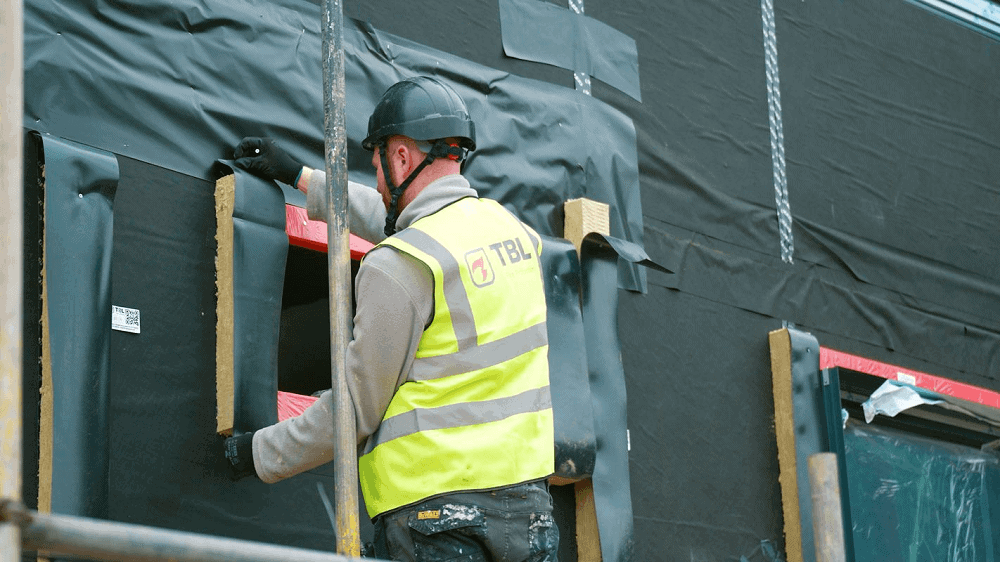
Cavity fire barrier installation helps prevent this by introducing fire-resistant barriers within concealed voids.
The purpose of cavity barriers is to:
- Restrict fire spread
- Reduce smoke movement
- Protect compartment lines
- Improve building safety
- Support regulatory compliance
Cavity barriers are particularly important within external wall systems and larger buildings where concealed spaces can create significant fire risks.
When properly installed, they form a critical part of a building’s passive fire protection strategy.
What Happens If Fire Stopping Is Missing?
The consequences can be severe.
Without effective fire stopping and compartmentation, a fire may spread rapidly beyond its point of origin.
Potential consequences include:
- Increased risk to occupants
- More extensive property damage
- Business interruption
- Greater financial losses
- Failed inspections
- Regulatory enforcement action
- Insurance complications
For contractors, building owners, and facilities managers, these risks highlight why passive fire protection should never be viewed as a box-ticking exercise.
It is a fundamental life safety measure.
Why Professional Installation Matters
Not all fire stopping systems are created equal.
Products must be installed in accordance with tested specifications and manufacturer requirements to perform as intended.
This is why organisations often choose experienced fire-stopping specialists who understand:
- Fire compartmentation principles
- Tested installation methods
- Regulatory requirements
- Certification processes
- Inspection and maintenance requirements
Working with an accredited contractor helps provide confidence that installations will achieve the required level of protection and compliance.
Fire Stopping: The Protection You Hope You’ll Never Need
Most passive fire protection systems go unnoticed every day.
They do not sound alarms, activate sprinklers, or require user interaction. Yet they perform one of the most important functions in any building.
When a fire occurs, fire stopping helps contain the threat before emergency services arrive, protecting lives, property, and critical infrastructure during the most crucial moments of an incident.
At TBL Fire Protection, we provide fire stopping installation, fire barrier services, cavity fire barrier installation, surveys, remedial works, and certification for clients across Coventry, Birmingham, the Midlands, and throughout the UK.
Whether you’re managing a new-build project, overseeing a commercial property portfolio, or reviewing compliance requirements within an existing building, our experienced team can help ensure your passive fire protection systems are performing exactly as they should.
Contact TBL Fire Protection today to discuss your fire-stopping requirements and arrange your professional passive fire protection quote.

 02476 404534
 WhatsApp


