
 5th June 2026
When people think about fire safety, they often picture alarms, extinguishers, sprinklers, and emergency evacuation plans. While these active fire protection measures are vital, passive fire protection plays an equally important role in protecting lives, property, and business continuity.
Whether you’re a contractor managing a new-build project, a facilities manager responsible for compliance, or a building owner seeking reassurance that your property meets current regulations, understanding passive fire protection is essential.
As one of the leading passive fire protection companies in the Midlands, TBL Fire Protection regularly receives questions from clients across commercial, residential, and industrial sectors. In this guide, we answer some of the most common questions about passive fire protection and explain why it remains one of the most important investments in building safety.
What Is Passive Fire Protection?
Passive fire protection refers to the built-in systems and materials designed to slow the spread of fire, smoke, and toxic gases throughout a building.
Unlike active fire protection systems, which require activation during a fire event, passive fire protection works continuously in the background.
Examples include:
- Fire stopping systems
- Fire compartmentation
- Cavity fire barriers
- Fire-resistant walls and floors
- Intumescent coatings and paints
- Fire-resistant sealants
- Fire doors and associated systems
The goal is simple: contain a fire within a designated area long enough for occupants to evacuate safely and for emergency services to respond.
Why Is Passive Fire Protection So Important?
A fire can spread rapidly through a building if there are gaps in walls, floors, ceilings, or service penetrations.
Passive fire protection helps:
- Protect building occupants
- Limit fire and smoke spread
- Preserve structural integrity
- Reduce property damage
- Support evacuation procedures
- Improve regulatory compliance
- Protect business operations and assets
Without effective fire compartmentation and fire stopping installation, a fire may bypass intended barriers and spread far more quickly than expected.
For this reason, passive fire protection services are a critical component of modern building design and ongoing compliance management.
What Is Fire Stopping?
Fire stopping refers to the process of sealing openings and penetrations in fire-rated walls and floors.
Throughout a building’s lifecycle, contractors install services such as:
- Electrical cables
- Data cabling
- Pipework
- Ductwork
- Mechanical systems
These installations often create openings that compromise fire compartmentation.
Fire stopping contractors use tested and certified products to seal these penetrations and restore the original fire resistance of the structure.
Effective fire stopping installation helps prevent fire and smoke from travelling through hidden pathways within the building.
How Do I Know If My Building Needs Passive Fire Protection Work?
Many building owners assume their property is compliant because it has previously passed inspections or because no issues have been identified.
However, buildings evolve over time.
New services are installed, walls are modified, tenants change, and maintenance works take place. Each change can affect the effectiveness of existing passive fire protection measures.
A professional survey can identify:
- Missing fire stopping
- Damaged fire barriers
- Unsealed service penetrations
- Defective compartmentation
- Non-compliant installations
- Areas requiring remedial works
This is why many organisations engage passive fire protection specialists to carry out detailed surveys and provide recommendations for improvement.
What Is Fire Compartmentation?
Fire compartmentation is the practice of dividing a building into separate fire-resistant compartments.
These compartments are designed to contain fire within a specific area for a predetermined period.
By slowing the spread of fire and smoke, compartmentation helps:
- Protect escape routes
- Safeguard occupants
- Reduce damage to other areas
- Provide firefighters with safer operating conditions
Even a small unsealed gap can compromise an entire compartment, which is why regular inspections are so important.
Are Passive Fire Protection Systems a Legal Requirement?
In many cases, yes.
Building Regulations and fire safety legislation require appropriate fire protection measures to be incorporated into buildings.
Depending on the type and use of the property, building owners, duty holders, contractors, and responsible persons may all have legal obligations relating to fire safety compliance.
Failure to maintain adequate passive fire protection can result in:
- Enforcement notices
- Failed inspections
- Costly remediation works
- Insurance complications
- Reputational damage
- Potential legal consequences
Working with an accredited fire stopping company helps ensure that installations meet relevant standards and regulatory requirements.
What Is Certification and Why Does It Matter?
Certification provides documented evidence that passive fire protection works have been installed correctly and in accordance with tested systems.
One of the biggest frustrations for contractors and facilities managers is discovering that certification is incomplete or unavailable during project handover.
A certified fire stopping contractor should provide clear documentation that demonstrates:
- Products used
- Installation methods
- Tested system references
- Installation locations
- Compliance records
Proper certification helps simplify audits, inspections, handovers, and future maintenance activities.
How Often Should Passive Fire Protection Be Inspected?
Passive fire protection should not be treated as a one-time installation.
Buildings change over time, and even minor works can affect fire compartmentation.
Regular inspections are particularly important for:
- Commercial buildings
- Residential developments
- Healthcare facilities
- Educational establishments
- Industrial premises
- Multi-occupancy buildings
Many fire protection consultants recommend periodic reviews, particularly after refurbishment works or significant building alterations.
What Is a Cavity Fire Barrier?
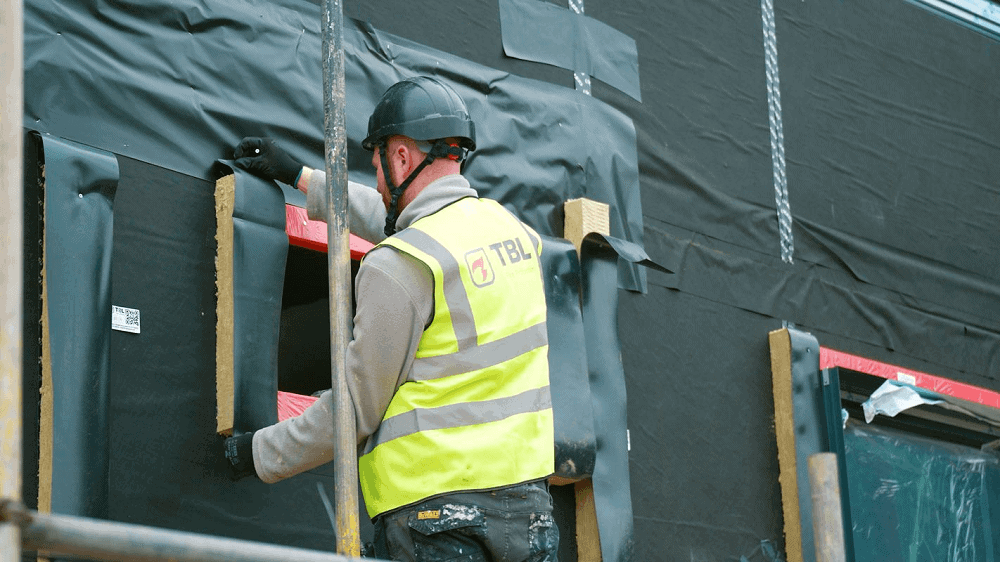
Cavity fire barriers are installed within concealed spaces, such as wall cavities, roof voids, and cladding systems.
Their purpose is to prevent unseen fire spread through hidden voids.
Without proper cavity fire barrier installation, fire can travel rapidly through concealed spaces before occupants or building managers become aware of the danger.
As part of a comprehensive passive fire protection strategy, cavity barriers help maintain compartmentation throughout the building envelope.
How Do I Choose the Right Passive Fire Protection Company?
Not all fire stopping companies provide the same level of expertise, documentation, or compliance support.
When selecting a passive fire company, consider:
- Industry experience
- Relevant accreditations
- Certification processes
- Survey capabilities
- National coverage
- Project portfolio
- Communication and reporting standards
For contractors, reliability and programme awareness are often critical. For facilities managers and building owners, clear reporting and compliance guidance may be equally important.
The right passive fire protection specialists should be able to explain requirements clearly, deliver high-quality installations, and provide the documentation needed to support ongoing compliance.
The Bottom Line
Passive fire protection is one of the most important yet often overlooked aspects of building safety.
From fire stopping installation and cavity fire barrier installation through to compartmentation surveys and certification, these systems play a crucial role in protecting people, property, and businesses.
Whether you’re overseeing a construction project, managing a property portfolio, or reviewing compliance obligations, understanding how passive fire protection works is the first step towards reducing risk and meeting your responsibilities.
With more than 30 years of industry experience, TBL Fire Protection delivers passive fire protection services across Coventry, Birmingham, the Midlands, and throughout the UK. From detailed surveys and remedial works to certified installations and ongoing compliance support, our team helps organisations protect their buildings with confidence.
If you have questions about your building’s fire safety measures or would like to arrange a passive fire protection survey, contact TBL Fire Protection today.

 02476 404534
 WhatsApp


