
 14th November 2025
When fire happens, it’s not the flames that cause the most destruction – it’s the hidden gaps that let them spread. Unsealed service penetrations, poor compartmentation, and overlooked joints allow fire and smoke to move through a building in minutes. According to the UK’s Fire Protection Association, up to 70% of fire damage in commercial properties stems from failures in fire compartmentation.
These gaps, often behind walls, above ceilings, or left after maintenance work, are easy to miss. They often go unnoticed until a passive fire inspection or, worse, a real emergency.
In this blog, we’ll uncover where these gaps hide, how they allow fire to spread in minutes, and the steps you can take to find and seal them before they become a threat.
Why Are the Hidden Gaps That Undermine Fire Safety?
Every commercial or multi-storey building has service penetrations and interfaces where fire can spread unnoticed. Common problem areas include:
- Cut-outs around pipes, ducts, and cables
- Unsealed joints between floors, walls, or ceilings
- Access panels, vents, and risers
- Renovation or fit-out work where multiple trades make uncoordinated alterations
Each of these areas may seem minor, but together, they create pathways for heat, smoke, and toxic gases. This can compromise the entire passive fire protection system.

How Fire Spreads in These Gaps
Fire doesn’t need much space to spread. Even a 10mm gap can act like a chimney, drawing flames, smoke, and hot gases through service shafts and cavities.
Once fire compartmentation is breached, fire can easily move between floors, escape routes, and protected areas in seconds. This reduces evacuation time, accelerates structural damage, and can invalidate insurance or building certification.
These are invisible risks – silent until a fire inspection or incident exposes them. By then, the cost of repair, delay, and liability can be far greater than prevention.

How to Identify Hidden Risks Before It’s Too Late
You don’t need to wait for an inspection to spot potential breaches. Here’s how you can stay ahead:
Book a fire protection survey:
Our passive fire protection specialists here at TBL assess every penetration, riser, and void for compliance.
Check for recent M&E work:
Electrical or plumbing upgrades often leave openings unsealed.
Inspect ceilings and risers:
Look for gaps, damaged seals, or inconsistent finishes.
Request as-built records:
Make sure your building’s fire stopping documentation is complete and traceable.
A professional fire protection surveys help identify weak points before they become failures, effectively keeping your building compliant and your people safe.

How Fire Stopping Solves the Problem
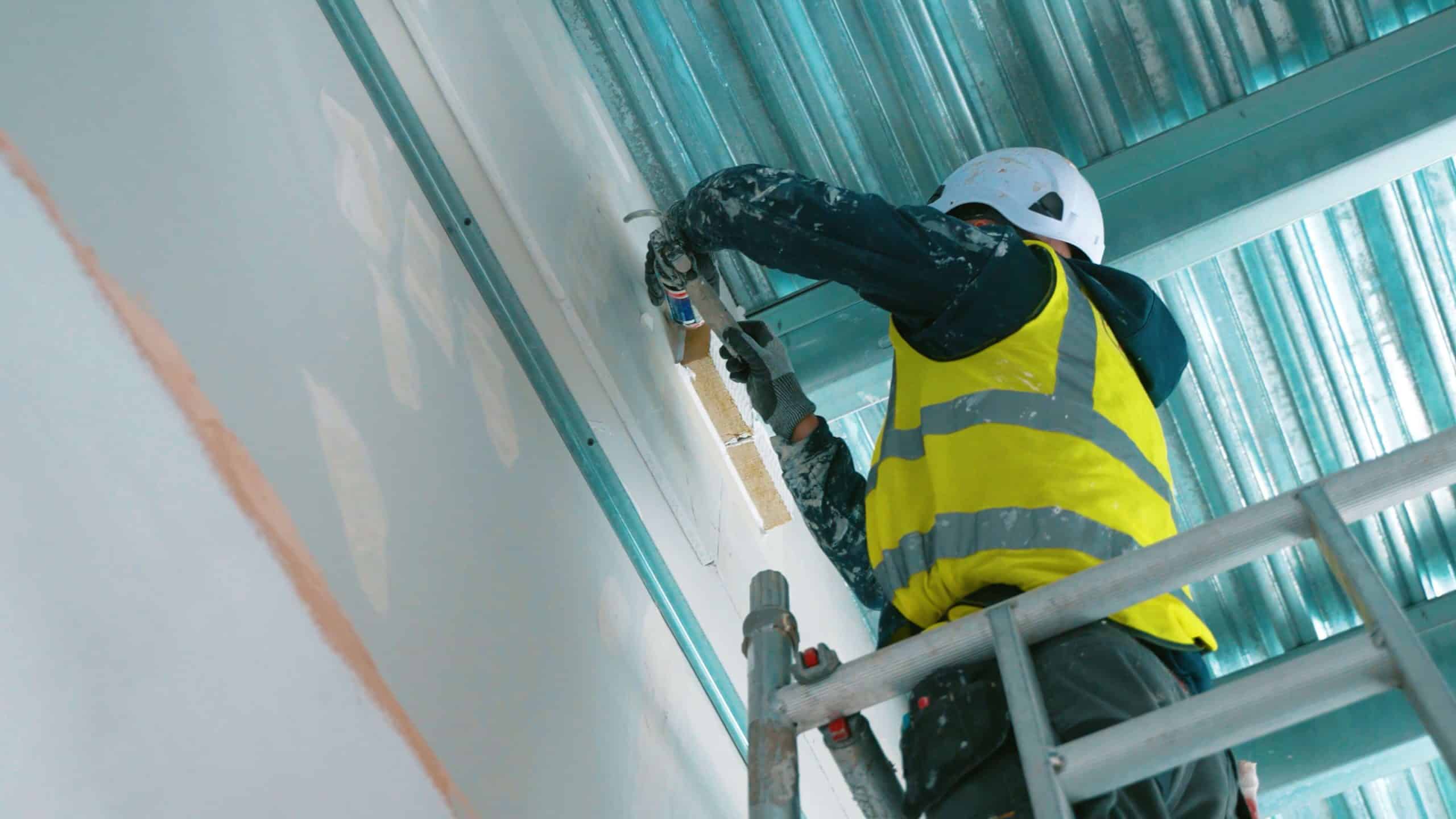
Fire stopping seals the unseen routes that let flames and smoke spread. Using certified systems like fire-rated mastics, wraps, pillows, collars, and mortars, accredited installers maintain the integrity of compartment walls and floors.
Here at TBL Fire Protection, our trained teams apply these systems to the highest standards, in line with Approved Document B and third-party certification schemes. We make sure every service penetration and joint is sealed, tested, and recorded – giving you proof of compliance and peace of mind.

Don’t Let Hidden Weak Points Become a Fire Hazard
It’s rarely the fire you see that does the most harm – it’s the gaps you don’t. Tiny openings can cause huge consequences, including destroying compartmentation and compromising evacuation routes, which can both lead to failed inspections.
Don’t leave it to chance. Get in touch with TBL Fire Protection today to secure your building from the inside out.

 02476 404534

 WhatsApp


