
 5th September 2025
When new build or refurbishment begins, the focus is usually on design, structural strength, or keeping the programme on track. But without early fire protection planning, the whole project is exposed.
Passive fire protection is what keeps compartmentation intact, protects escape routes, and buys time when it matters most. This blog explains why fire protection planning must be embedded from day one, what early planning covers, and how a fire protection survey helps you effectively plan and set up your project to pass a passive fire inspection first time.
What Early Fire Protection Planning Actually Covers
At the design stage, fire protection planning defines how a building will resist and contain fire:
Fire strategy alignment:
Confirm objectives for compartmentation, structural protection, and escape routes before designs are locked.
Occupancy and use cases:
Different sectors like schools, hospitals, and commercial offices, all demand tailored fire safety measures.
Materials and interfaces:
Plan for how steel, timber, and concrete perform together and choose the right passive systems for each junction.
Service routes and penetrations:
Coordinate mechanical and electrical layouts to avoid ad-hoc drilling and compromised fire stopping.
Documentation from day one:
Establish the “golden thread” – drawings, product data, and evidence built into the design process.
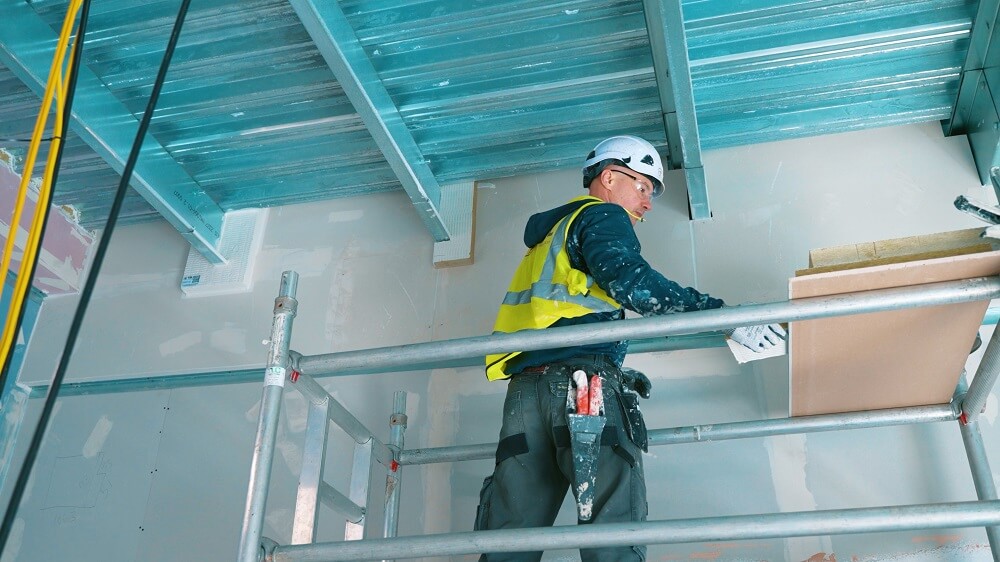
How to Plan for Success
Effective fire protection planning doesn’t have to be complicated – it just need structure:
1. Start with a passive fire protection survey:
This identifies risk, legacy issues in refurbishments, and sets out performance targets.
2. Define performance objectives clearly:
These include fire ratings by zone, smoke control needs, and sign-off responsibilities.
3. Design compartmentation early:
Agree walls, floors, and risers to prevent redesigns later.
4. Choose proven systems:
Intumescent coatings, fire-resistant boarding, and sealants should all be third-party certified.
5. Plan for inspection:
Include a passive fire inspection regime with evidence, labels, and hold points so compliance is traceable.

What Can Go Wrong (And What It Costs)
Passive fire protection is still often treated like an afterthought, and the consequences can be both costly and dangerous. On the financial and programme side, problems like unplanned penetrations, last-minute product swaps, or undocumented work almost always leads to expensive rework, delays, and even disputes with insurers. And from a safety and compliance perspective, the risks are even higher.
Weak compartmentation or uncertified installations can compromise evacuation routes, expose occupants to danger, and cause projects to fail Building Control inspections – a failure that carries not just legal implications, but reputational damage for contractors and site managers alike.
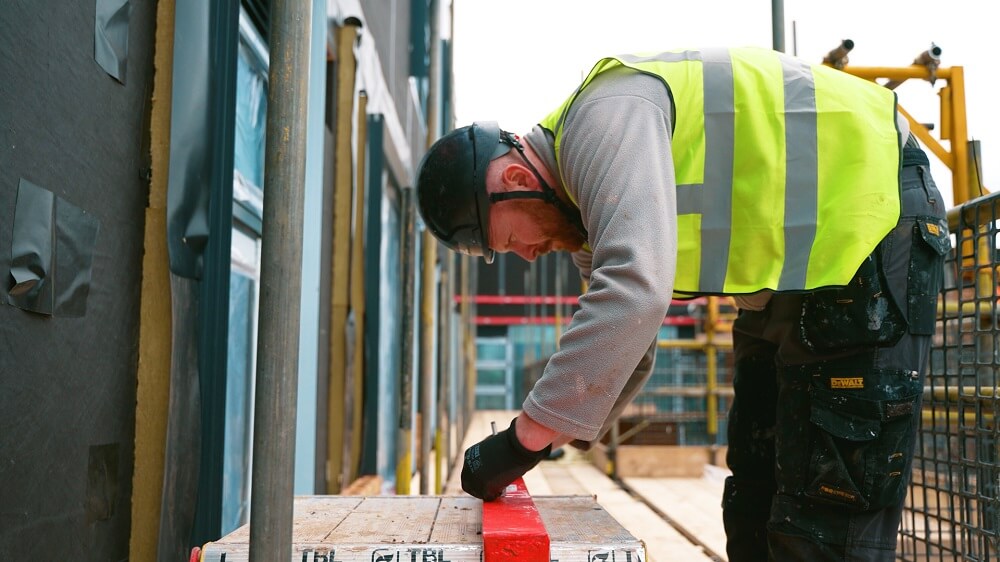
TBL’s Survey-First Method – Built to Pass Inspection
Here’s how the team here at TBL Fire Protection ensure your fire safety measures are reliable, safe, and secure:
Passive fire protection survey:
Our experts scope risks, mark up drawings, and create buildable requirements.
Trusted installation:
Our trained teams deliver to spec, maintain the golden thread, and prepare you to pass a passive fire inspection with confidence.
Compliance you can prove:
We provide risk registers, photographs, labels, and a full compliance pack ready for handover.
In the end, fire protection planning can really make or break your project. The earlier it’s embedded, the smoother your build, the safer your people, and the stronger your compliance.
Get in touch with TBL Fire Protection today to arrange a fire protection survey and secure your project from the ground up.

 02476 404534


 WhatsApp


