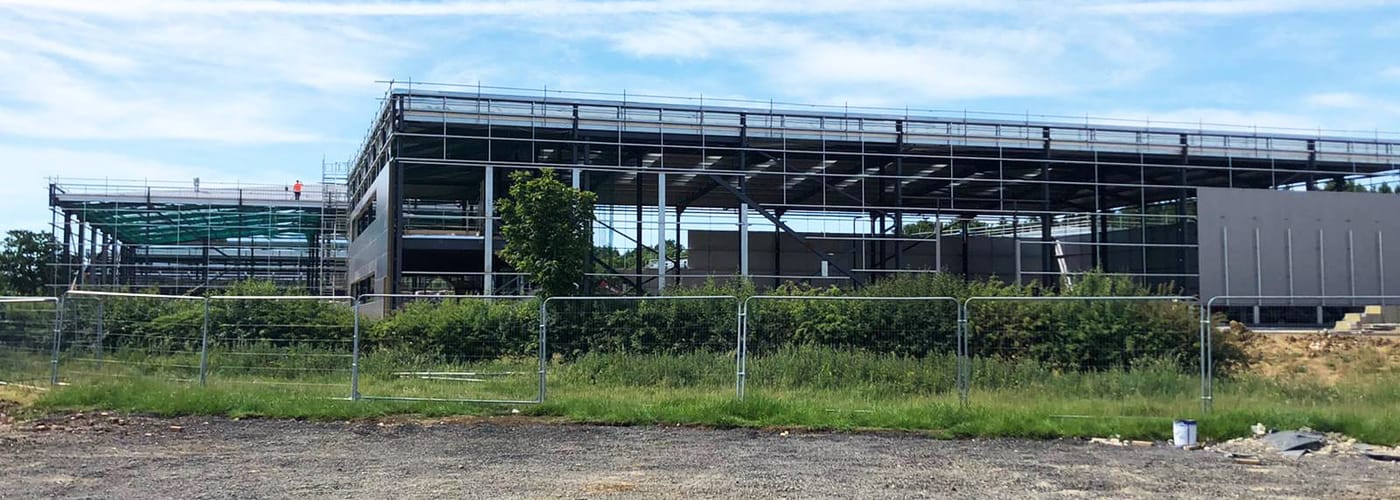
Construction projects rarely run exactly to programme. Delays, design changes and coordination challenges are part of the process — particularly on complex commercial builds.

When time pressure increases, passive fire protection is often one of the trades expected to “catch up.” However, unlike other elements of construction, fire protection cannot be rushed without consequences.

Incorrect installations, missing documentation or non-compliant systems can lead to failed inspections, costly rework and delays at the most critical stage of the project.

The challenge, therefore, is clear:
how do you maintain programme momentum without compromising compliance?

This is where a structured, proactive approach becomes essential.

The Risk of Rushing Fire Protection

Passive fire protection systems are not interchangeable or flexible by default. Every installation must align with:

  • Manufacturer-tested system details
  • Fire strategy requirements
  • Service type and configuration
  • Required fire resistance ratings

Under tight deadlines, common issues begin to appear:

  • Fire stopping installed without correct system selection
  • Overfilled or poorly prepared penetrations
  • Incomplete installations left for later stages
  • Reduced inspection and quality control
  • Missing or inadequate documentation

These shortcuts may appear to save time initially, but often result in:

  • Failed compliance checks
  • Delays to project completion
  • Increased cost through remedial works

Avoiding these outcomes requires planning — not speed alone.

Planning Ahead: The Key to Maintaining Programme

One of the most effective ways to manage tight deadlines is to ensure fire protection is planned properly before installation begins.

TBL Fire Protection works with project teams to review key elements early, including:

  • Fire strategy requirements
  • Service layouts and penetrations
  • Compartmentation design
  • Installation sequencing

By identifying potential challenges in advance, it becomes possible to:

  • Avoid congestion in service areas
  • Ensure correct systems are specified
  • Align installation with programme timelines
  • Reduce the need for reactive fixes

This early-stage input allows fire protection to be integrated into the build process, rather than becoming a constraint later on.

Coordinating with Other Trades

Fire protection does not sit in isolation. It is directly affected by the work of mechanical, electrical and plumbing contractors, as well as structural and façade teams.

On fast-paced projects, poor coordination between trades is one of the main causes of delays and non-compliance.

Typical issues include:

  • Service penetrations installed without allowance for fire stopping
  • Limited access for installation due to overcrowding
  • Late design changes impacting compartmentation
  • Conflicting installation sequences

TBL Fire Protection supports project teams by working closely with site management and other trades to ensure installations are coordinated effectively.

This includes:

  • Reviewing penetration layouts before installation
  • Identifying areas where access may be restricted
  • Advising on sequencing to allow compliant installation
  • Ensuring systems are suitable for the final configuration

By maintaining coordination across trades, fire protection can be installed correctly — even within tight programme constraints.

fire protection


Using the Right Systems First Time

Under time pressure, there can be a tendency to use what is available rather than what is correct.

However, passive fire protection systems must be selected based on specific criteria, including:

  • Type of service penetration
  • Size and grouping of services
  • Movement requirements
  • Fire resistance rating (EI classification)
  • Substrate type

Using incorrect systems can result in non-compliance, regardless of installation quality.

TBL Fire Protection ensures that all systems used are aligned with manufacturer-tested details and project specifications, removing uncertainty at the point of installation.

This reduces the need for rework and ensures that installations meet compliance requirements from the outset.

Maintaining Quality Under Pressure

Tight deadlines often place pressure on installation teams to increase output. Without proper oversight, this can lead to inconsistencies in quality.

Maintaining standards under pressure requires:

  • Experienced, trained operatives
  • Clear installation guidance
  • Ongoing supervision
  • Defined inspection processes

TBL Fire Protection operates with directly employed teams and structured supervision, ensuring that installations are carried out consistently across the project.

Quality is maintained not by slowing the programme, but by ensuring the process is controlled and repeatable.

Inspection and Verification

When timelines are compressed, inspection is often one of the first areas to be reduced or overlooked.

However, this is where many issues are identified — and where problems can still be resolved efficiently.

TBL incorporates inspection into the installation process, rather than leaving it until the end. This includes:

  • Ongoing site inspections
  • System-specific compliance checks
  • Identification of issues as they arise
  • Immediate corrective actions

By embedding inspection into the workflow, projects can maintain momentum while ensuring compliance is achieved.

Documentation Without Delay

In addition to installation, documentation is a critical part of passive fire protection.

Without proper records, even compliant installations can delay project sign-off.

Under tight deadlines, documentation is often left until the end — creating a backlog that slows completion.

TBL Fire Protection uses digital reporting tools such as OneTrace to record installations in real time, capturing:

  • Photographic evidence
  • Location-specific records
  • System details
  • Installation data

This ensures that documentation is completed alongside installation, rather than after it.

The result is a smoother handover process and reduced risk at final inspection stage.

A Structured Approach That Supports the Programme

Managing passive fire protection under tight deadlines is not about working faster — it is about working in a structured and coordinated way.

TBL Fire Protection supports this through:

  • Early technical engagement
  • Coordination with project teams and trades
  • Use of tested and compliant systems
  • Structured installation and supervision
  • Ongoing inspection and verification
  • Real-time documentation and reporting

This approach allows fire protection works to progress efficiently while maintaining the standards required for compliance and certification.

Delivering Without Compromise

Tight deadlines are a reality on most construction projects. The key is ensuring that time pressures do not lead to compromises that create greater problems later.

By planning ahead, coordinating effectively and maintaining control over installation and verification processes, passive fire protection can be completed in line with both programme and compliance requirements.

Through its combination of fire stopping, intumescent coatings, cavity barriers, surveys and compliance reporting, TBL Fire Protection supports clients in delivering fire protection systems that meet the demands of modern construction — even under pressure.

The result is not just a completed package of works, but a system that is installed correctly, fully documented and ready to stand up to inspection.