
 3rd April 2026
Many projects face costly retrofitting because fire protection was not properly planned at the start. The issue is rarely one major failure. It is usually a series of smaller problems such as unsealed penetrations, incomplete boarding or compartment lines that stop where they should continue.
These problems are often found late, when inspections begin. By then, parts of the building may need to be reopened. That means extra costs, delays and disruption that could have been avoided. This is where passive fire protection services matter. They need to be planned early, not corrected later.
Our guide explains why so many projects face retrofitting costs and how better coordination from the start helps avoid them.
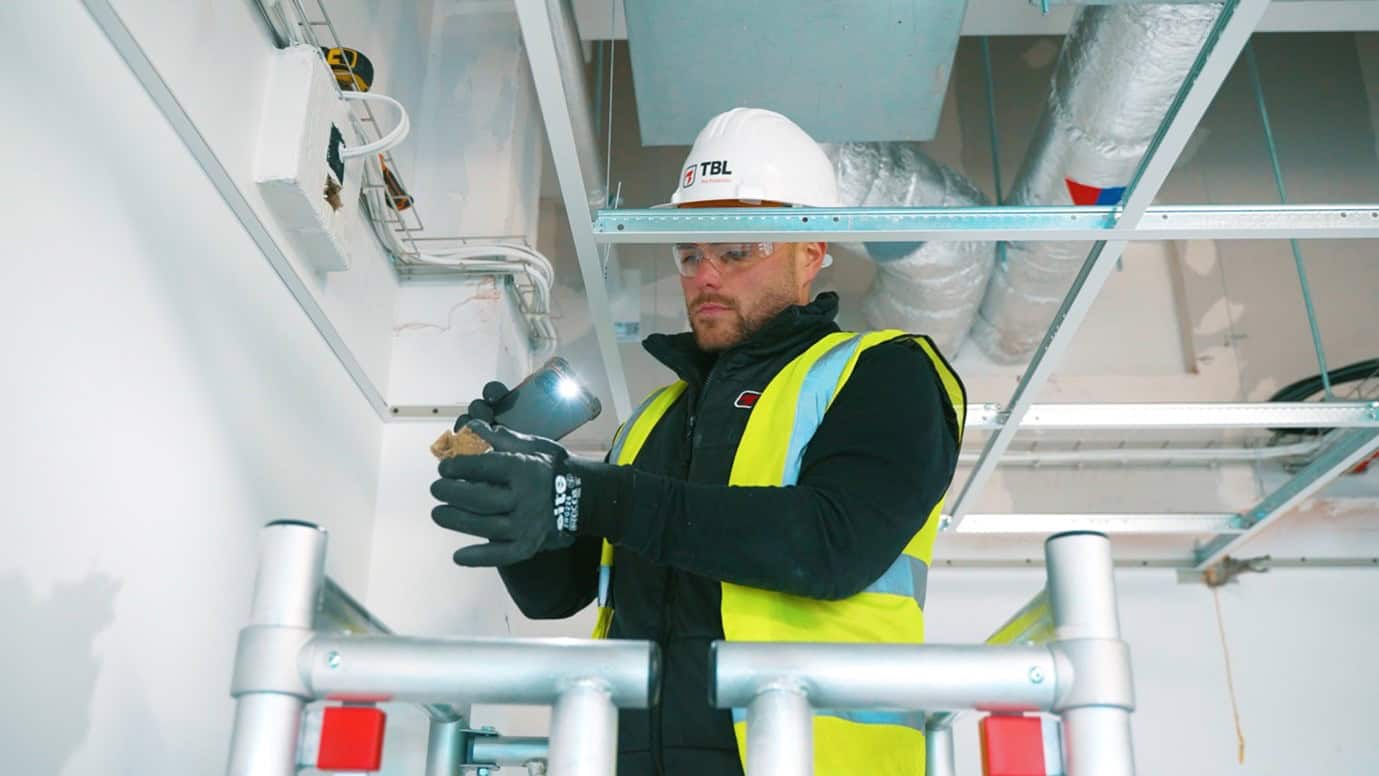
What Passive Fire Protection Actually Does
Passive fire protection slows the spread of fire and smoke through a building. It helps protect escape routes and supports the fire-resistant walls and floors built into the design.
This is why compartmentation matters. Walls and floors may be designed to resist fire for a set period, but that protection can be weakened once pipes, cables and other services pass through them. If those openings are not treated properly, fire and smoke can spread beyond the area they were meant to contain.
This is why these systems must work together as part of a coordinated fire strategy. Fire-stopping seals gaps around service penetrations. Fire boarding and fire barriers help maintain fire-resistant sections of the building and limit how far fire and smoke can travel.
Common Mistakes in Construction Projects
Passive fire protection failures on site rarely begin with one major error. More often, they stem from small decisions that seem manageable at the time but gradually weaken the overall fire strategy as the project progresses.
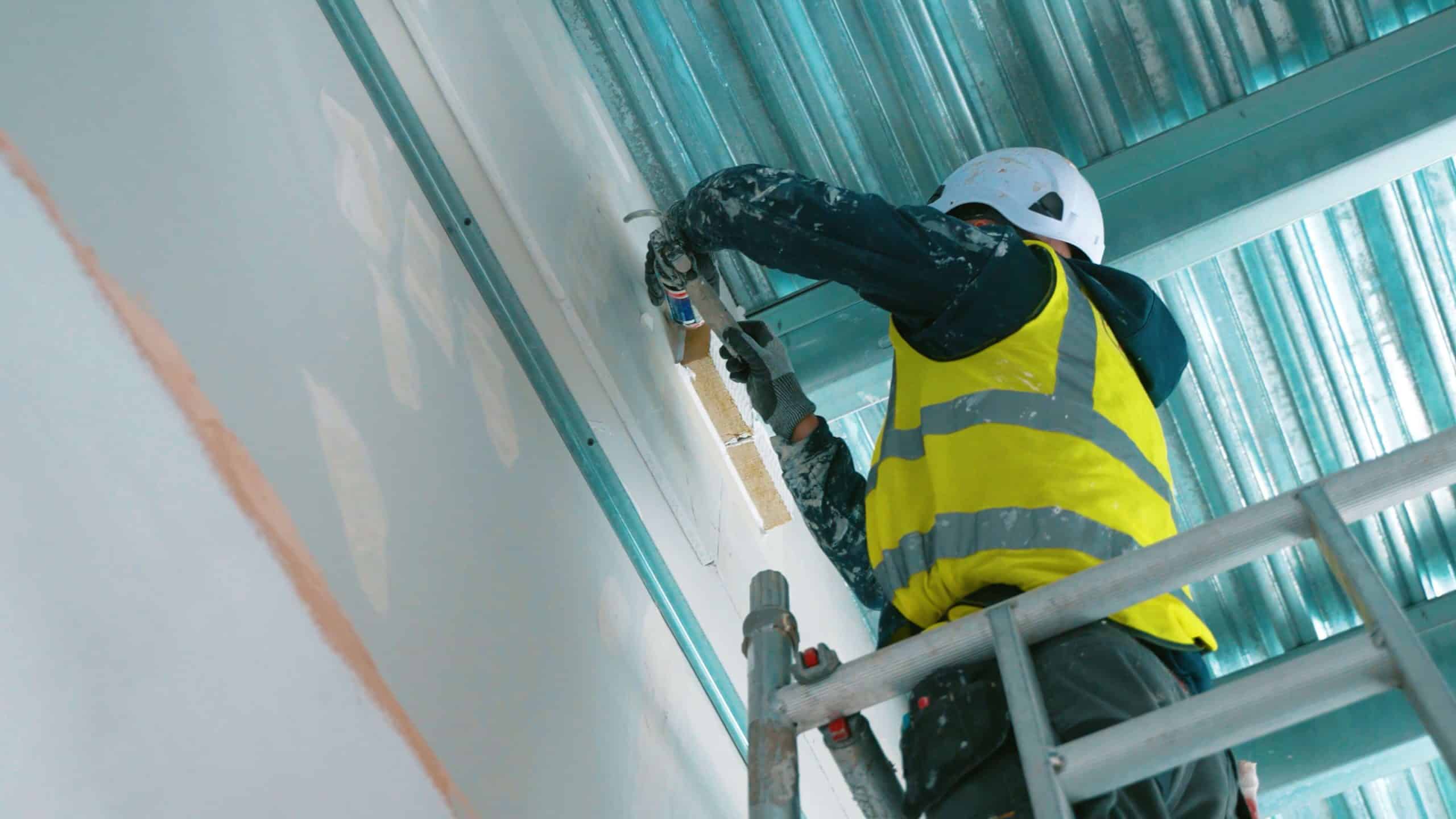
One of the most common issues is missing fire stopping around service penetrations. A wall or floor may be designed to resist fire for a set period, but once services pass through it, that protection must be properly reinstated. If it is not, the compartment no longer performs as intended.
Incorrect fire board installation is another frequent problem. Boards may be cut around services in ways that appear practical on site but fall short of the tested detail they are meant to follow, leading to compliance issues later.
Incomplete compartmentation is also common. A wall may stop at ceiling level while the void above remains unresolved, or junctions between elements may not be fully sealed.
These are common fire protection mistakes in construction that teams encounter repeatedly, often because passive fire protection sits between trades, packages and competing site pressures.
The Cost of Retrofitting Fire Protection
When problems are found late, the cost is not limited to the remedial work itself. The wider impact on the project is often far more disruptive. Retrofitting fire protection usually means reopening completed areas, revisiting finished service runs, bringing trades back to site and carrying out further inspections before sign-off.
That can delay handover, disrupt the programme and add labour, access and administrative costs that should have been avoided.
This can quickly become both a commercial and a technical issue for developers and main contractors. Budgets come under pressure, deadlines move and confidence in delivery can start to fall. For facilities managers and end users, unresolved compartmentation problems can also create risks that are harder to manage once the building is in use.
Why Early Planning Matters
Passive fire protection works best when it is planned early. If it is left too late, important details are more likely to be missed, especially around penetrations, compartment lines, tested systems and site sequencing.
Bringing fire protection into the design and pre-construction stage makes it easier to identify where services will pass through walls and floors, how fire-resisting lines will be maintained and which systems should be used. It also helps clarify who is responsible for each part of the work, which is often where passive fire protection compliance begins to break down.
This is increasingly important as fire safety requirements place greater emphasis on documented compliance. Recent updates linked to Approved Document B reinforce the need for properly considered and recorded fire safety measures, including compartmentation, fire-resisting construction and related passive protection details.
How Specialist Contractors Prevent Problems

Good contractors do more than install products. They assess how the fire strategy performs across the building. That matters because risk is easier to address before it becomes reworked. Service penetrations, board details, voids and junctions can all be reviewed while there is still time to correct them properly.
A compliant solution is not just about filling a gap. It is about using the correct tested detail in the right location and ensuring it is applied consistently.
This is why fire protection surveys, fire stopping and fire boarding and fire barriers are important on live projects.
Plan it Early
Passive fire protection causes the most disruption when it is left until later in the project. By that stage, small gaps in planning can turn into delays, remedial work and added cost.
Early coordination makes a clear difference. It gives teams time to manage fire-stopping installations, maintain fire compartmentation properly and keep overall building fire safety compliance on track.
For contractors, developers and consultants, the practical approach is to involve the right specialists early and protect these details as the project progresses. This reduces the risk of issues being identified late and limits the need for corrective work by fire-stopping contractors once key areas have already been completed.
TBL Fire Protection supports commercial projects with passive fire protection in the UK that help teams manage risk early and avoid costly rework. Speak to our team to plan passive fire protection correctly from the outset and avoid delays later.

 02476 404534

 WhatsApp


