
 26th August 2025
The wrong approach to fire protection can put people at risk, undermine compliance, and add avoidable costs to your project. For property managers, contractors, and facilities teams, knowing which passive fire protection method works best for your unique needs is essential.
In this blog, we’ll break down three of the most widely used solutions – intumescent paint, fire-resistant boarding, and sealants – to help you understand their unique strengths. By the end, you’ll know why the right choice depends on your specific building and why expert advice from the passive fire protection specialists here at TBL is the key to getting it right first time.
Knowing What You Need Comes First
The “best” method isn’t universal. A school’s fire safety requirements will look very different from those of a hospital, a commercial office, or a block of flats. Everything from the building’s design to its intended use will influence the right approach.
At TBL Fire Protection, our passive fire protection inspections are carried out by specialists who assess your site, your current fire strategy, and the materials in play. With our guidance, you can avoid expensive rework, achieve compliance, and put the correct protections in place from the start.
Option 1: Intumescent Paint
Intumescent paint is a specialist coating designed to expand when exposed to heat. As it swells, it forms a protective layer around structural steel, delaying the effects of fire and maintaining the integrity of the building.
Best for:
- Exposed steelwork
- Projects where aesthetics are important
- Locations with limited space
Benefits:
- Discreet protection
- Preserves the design of visible steel
- Reliable load-bearing safety
- Flexible
- Quick to apply
- Proven to provide up to 120 minutes or more of fire resistance
Considerations:
- Application must be carried out professionally to ensure the right thickness and coverage
- Environmental conditions like humidity and temperature during application can affect result

Option 2: Fire-Resistant Boarding
Boarding involves installing rigid, fire-rated boards around structural elements. This method provides a tough, long-lasting barrier that’s widely trusted across many sectors.
Best for:
- Walls
- Ceilings
- Areas where durability is a priority
Benefits:
- Strong
- High-performing
- Can deliver acoustic and thermal insulation
- Provides consistent and predictable fire resistance
- Durable and impact-resistant
Considerations:
- Can affect available space and restrict design flexibility
- Heavier than other options
- Less suitable in areas where a seamless aesthetic finish is needed

Option 3: Fire Sealants
Fire sealants are designed to block the hidden pathways that fire and smoke can exploit. These flexible compounds fill penetrations and gaps to create airtight protection.
Best for:
- Around pipes
- Cables
- Voids where fire could otherwise spread
Benefits:
- Versatile
- Essential for compliance
- Simple to incorporate into existing builds
- Can be used with a wide range of materials
- Helps maintain acoustic performance

Why Work with TBL Fire Protection?
Here are TBL, our fire protection consultants help you identify the right combination for your project. With our surveys, you’ll get:
- Full compliance with fire safety standards
- Elimination of risks before they become expensive problems
- Tailored protection that stands the test of time
The best method for passive fire protection depends on your unique circumstances. Intumescent paint, boarding, and sealants all have clear strengths, but their effectiveness comes down to using the right one, in the right place, with the right expertise.
Get in touch with our team today and we’ll make sure you never have to second guess your fire protection strategy.

 02476 404534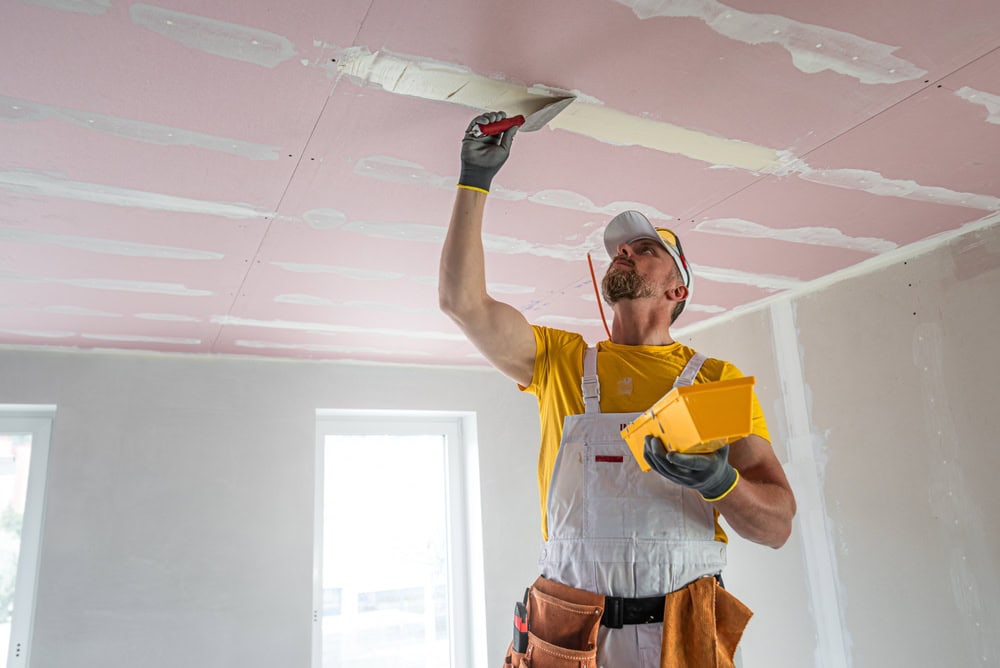

 WhatsApp


